For decades, the standard model for public sports infrastructure was simple: Build a monument, host a tournament, and then lock the gates. From a financial perspective, this model is broken. A stadium that sits dormant for 300 days a year is not an asset; it is a liability, draining municipal budgets through maintenance costs without generating operational revenue.
In the modern urban economy, the viability of capital-intensive projects—whether a cricket stadium or an indoor arena—depends entirely on one metric: Utilization Rate.
At AECS Research Global (ARG), we approach sports infrastructure with a distinct philosophy. We do not just design facilities for athletes; we engineer "Active Assets" for owners. By integrating Strategic Cost Management with Dynamic Configurability, we ensure that the built environment supports a sustainable business model.
The Move from Monument to Machine
To turn a sports facility into a revenue generator, the architecture must be actionable. It must function less like a static monument and more like a flexible machine that can reconfigure itself to meet diverse market demands—from elite sports to community conventions.
Our recent mandate for the Indoor Stadium at Sector-22, Faridabad, serves as a prime example of this "Physics of Flexibility."
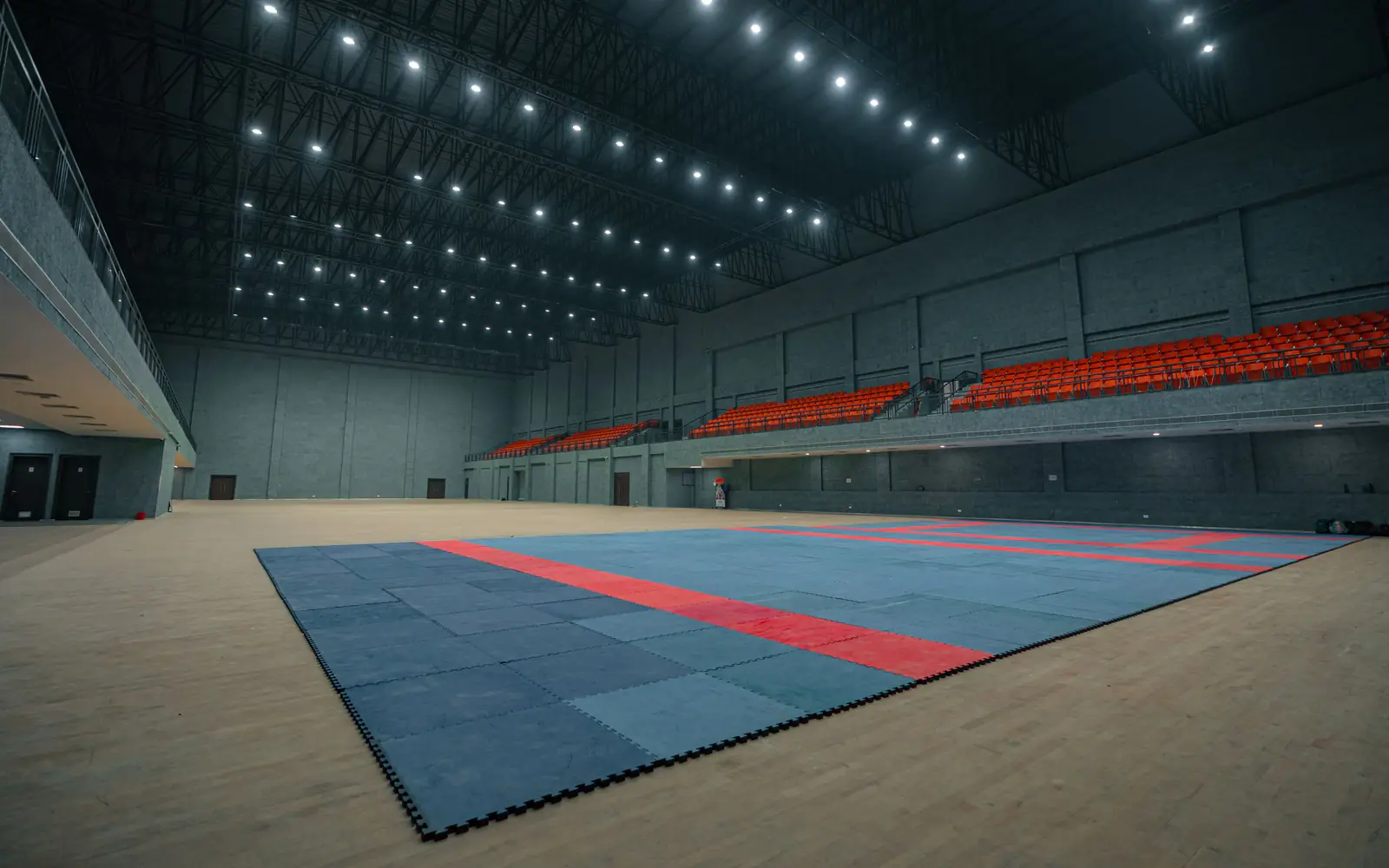
1. Dynamic Configurability: The Request for Proposal (RFP) for Sector-22 did not just ask for a hall; it asked for a venue. To maximize the floor plate's revenue potential, we engineered provisions for Retractable Mobile Seating.
The Economic Impact: This allows the venue to transition from a high-capacity spectator arena to a multi-court training facility or a flat-floor exhibition space in a matter of hours. One asset, multiple revenue streams.
2. Surface Science as a Value Lever: The choice of flooring is a financial decision. For Sector-22, we specified professional-grade Vinyl Flooring.
The Technical Logic: Unlike rigid timber, advanced vinyl systems offer the necessary shock absorption for elite athletes while being durable enough to withstand the foot traffic of non-sporting events. This durability reduces "Lifecycle Maintenance Costs" (LCC) while widening the scope of potential rental clients.
Structural Efficiency: The "Profits" of Prudence
While flexibility drives revenue, Structural Optimization drives capital efficiency. In large-span structures like stadiums, the roof and supporting steelwork can account for a massive percentage of the budget.
In our full-scope delivery of the Raja Nahar Singh International Cricket Stadium, we applied Strategic Cost Management to the superstructure.
Value Engineering: By utilizing sophisticated structural analysis, we optimized the steel tonnage required to achieve unobstructed viewing angles.
The Trade-Off: Every rupee saved on inefficient structural design is a rupee that can be redirected toward revenue-generating amenities—corporate boxes, hospitality suites, and high-quality "Tip-up seats" that enhance the spectator experience and ticket value.
The "People" Pillar: Community Integration
Finally, the economic resilience of a sports asset lies in its daily relevance to the community. This aligns with our "People" and "Planet" values.
A facility that is a fortress alienates its neighbors. A facility that integrates Rain Water Harvesting, extensive parking with adequate lighting, and accessible pedestrian flows (like the "Chatri" and "Gola" elevations planned for Sector-22) becomes a community hub. This daily footfall drives ancillary revenue in retail and food & beverage concessions, smoothing out the cash flow peaks and troughs of major event days.
Conclusion: Designing for the Balance Sheet
The era of the single-use stadium is over. Whether funded by a Municipal Corporation or a private consortium, modern sports infrastructure must be engineered for the balance sheet.
At ARG, we bridge the gap between the Architect’s vision and the CFO’s requirements. We deliver assets that are robust enough for the future, flexible enough for the market, and efficient enough for the bottom line.