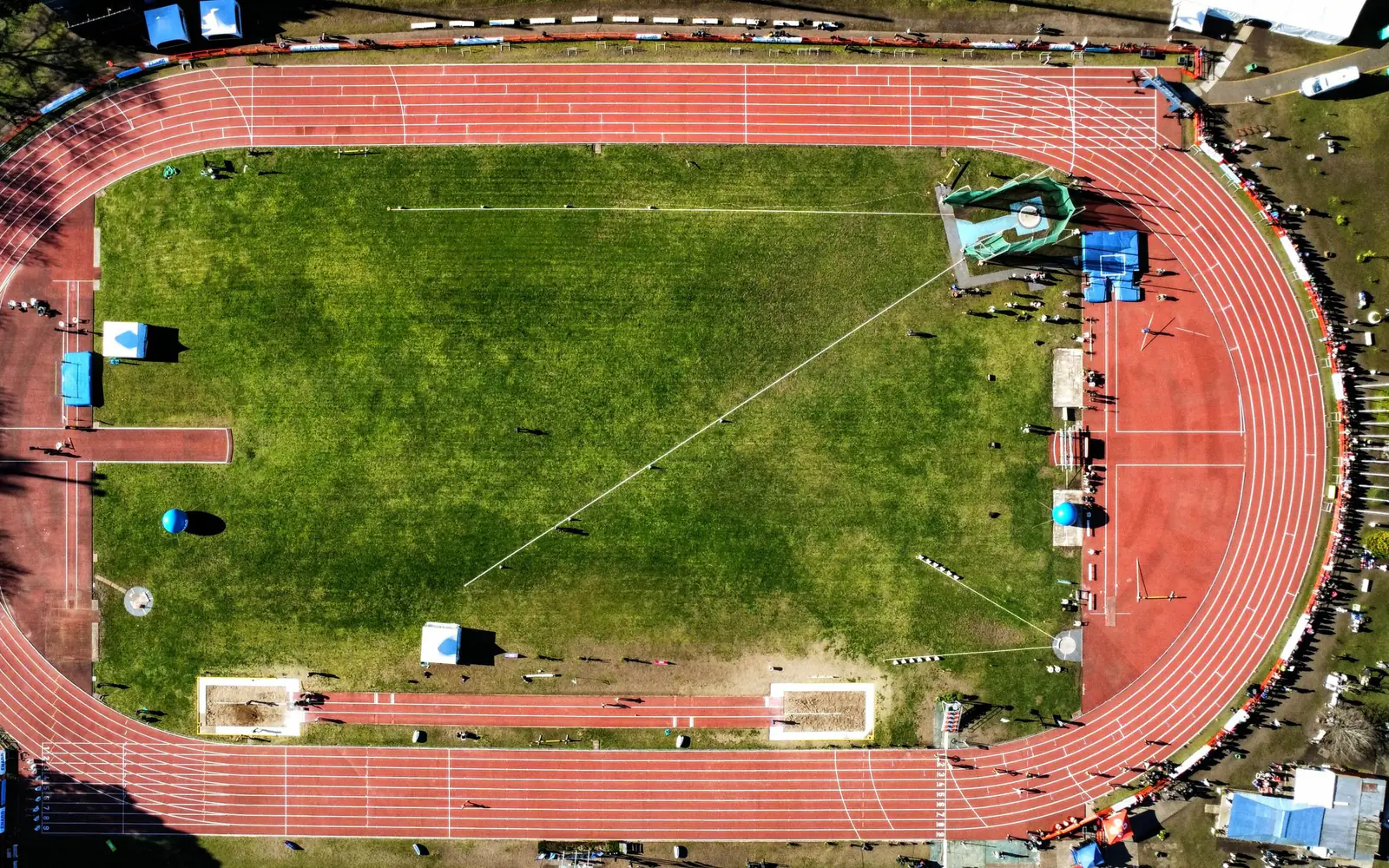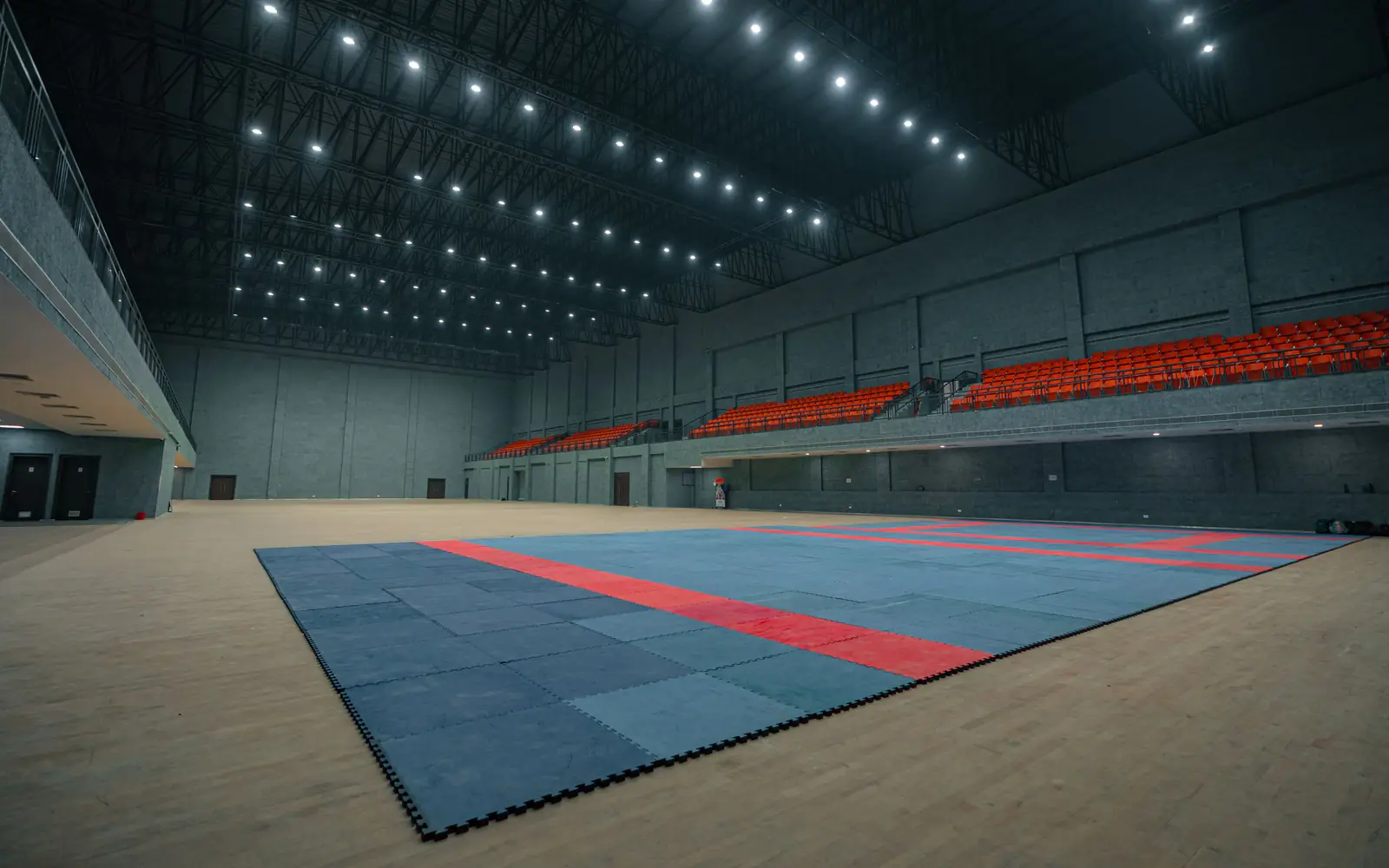
In the domain of public infrastructure, sports facilities are often regarded as "high-risk" assets. They are notoriously capital-intensive, structurally complex, and prone to significant budget overruns. For Municipal Corporations and Government bodies, the challenge is not just building a stadium; it is delivering an international-standard asset without creating a financial "white elephant."
At AECS Research Global (ARG), we view these constraints as engineering challenges rather than financial dead ends.
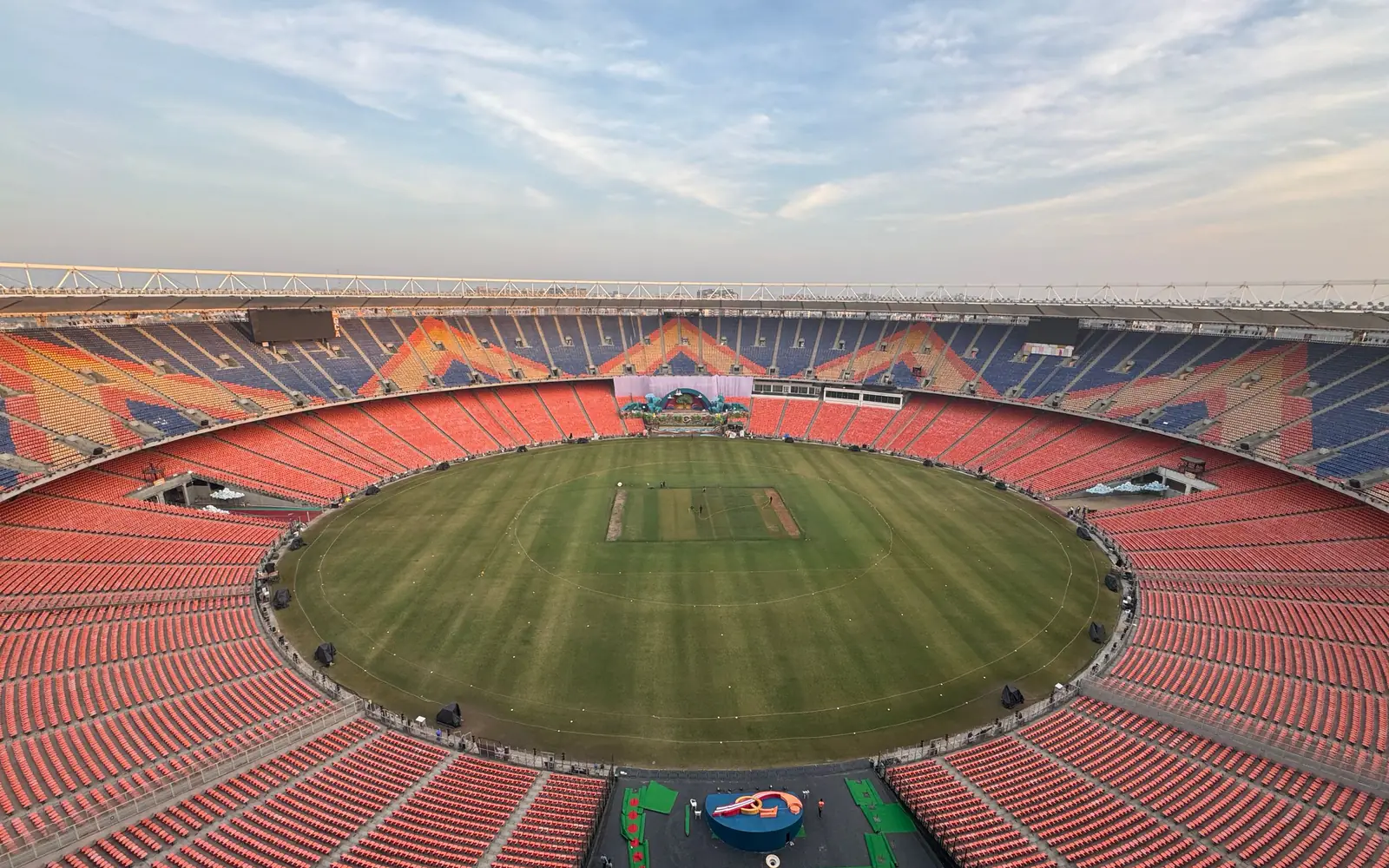
Our delivery of the Raja Nahar Singh International Cricket Stadium in Faridabad stands as a definitive case study in how Strategic Cost Management and Structural Innovation can converge to deliver world-class infrastructure on a viable budget.
The Project Mandate: A Dual Challenge
The Municipal Corporation of Faridabad entrusted ARG with a mandate that required a delicate balance: deliver a facility capable of hosting international cricket matches while strictly adhering to public sector financial prudence.
Unlike typical engagements where consultants are siloed, ARG was tasked with a full-scope delivery model. This encompassed detailed design, engineering, and Project Management Consultancy (PMC) services. This integrated approach was the critical lever that allowed us to control the project's "Iron Triangle"—Cost, Time, and Quality.
The Technical Solution: Strategic Cost Management as an Engineering Discipline
How do you optimize the budget of a stadium without cutting corners on the spectator experience? The answer lies in moving beyond basic accounting to Strategic Cost Management
1. Structural Innovation
The primary cost driver in any stadium is the superstructure—specifically the massive steel spans required for unobstructed viewing.
The Approach: Instead of accepting standard structural templates, our engineering teams utilized sophisticated analysis to optimize the structural design.
The Result: We achieved "structural innovation" that maintained the necessary load-bearing capacities and safety factors while significantly reducing material wastage. This is the essence of our "Planet" and "Profits" philosophy—using less material to achieve the same structural performance.
2. Value Engineering (Not De-scoping)
We rigorously applied Value Engineering principles throughout the design phase. This involved a critical examination of design options, systems, and materials to identify efficiencies and eliminate unnecessary costs.
The Outcome: By identifying these efficiencies early in the design review process, we ensured "optimal budget utilization". We successfully delivered exceptional outcomes in cost efficiency, proving that high technical specifications do not always require high spending.
The Integrated Advantage: Design + PMC
A major source of cost escalation in mega-projects is the friction between the Design Architect and the Project Manager. By consolidating these roles, ARG acted as a single point of accountability.
Seamless Execution: As the provider of both detailed design and PMC services, we ensured that the "constructability" of the design was validated in real-time.
Financial Control: Our financial control systems were embedded into the project lifecycle, allowing for accurate budgetary forecasts from the preliminary estimates through to detailed analysis.
Conclusion: The Blueprint for Public Infrastructure
The success of the Raja Nahar Singh International Cricket Stadium demonstrates that "International Standards" and "Cost Efficiency" are not mutually exclusive.
For C-level executives and government officials, the lesson is clear: True cost control happens on the drawing board, not the balance sheet. By integrating advanced engineering with strategic cost planning, ARG delivers infrastructure that is built to last and financially sound.
Optimize Your Capital Expenditure
Are you in the planning phase of a capital-intensive project? The most significant savings are found before construction begins.